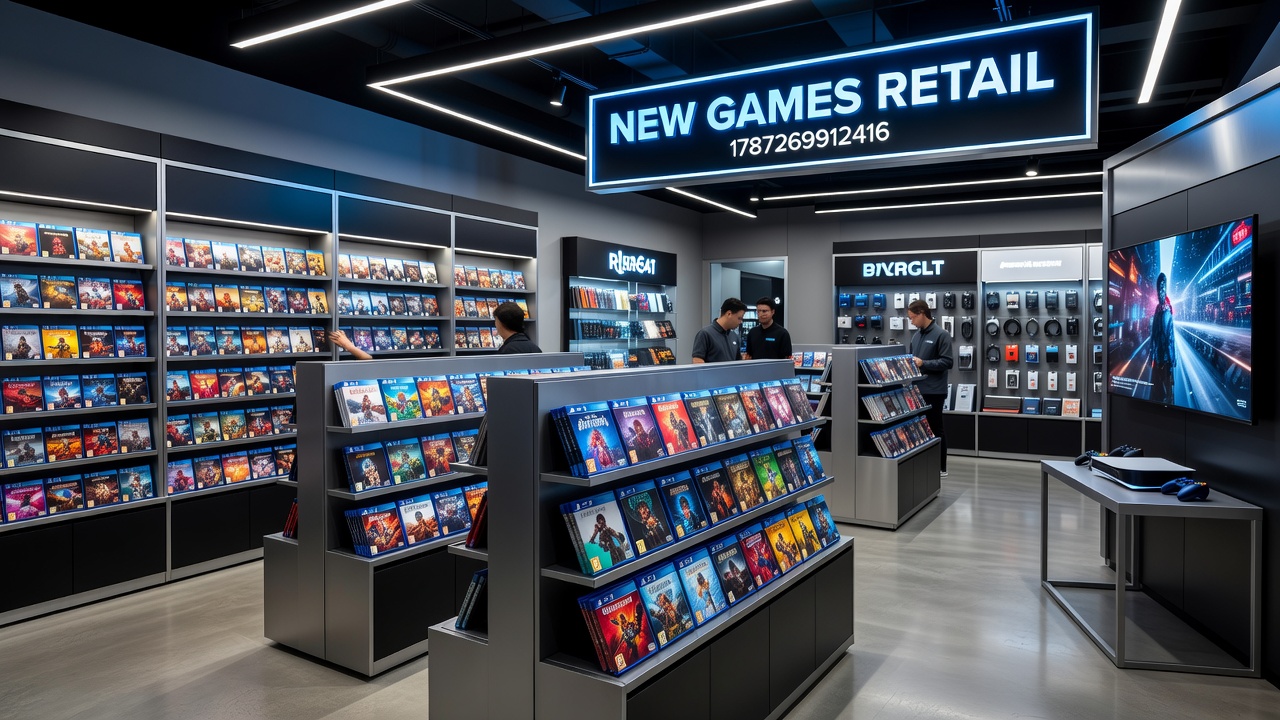
US Retail Adaptation Patterns in Gaming Product Distribution
Retail networks across the United States continue to adjust their stocking approaches as new gaming products arrive in coordinated waves throughout 2026. Data from industry tracking systems show that console launches often trigger parallel movements in related categories like tabletop titles and hardware add-ons, creating measurable shifts in warehouse activity and delivery schedules. Observers note these intersections appear most clearly when multiple release timelines overlap in the same quarter.Distribution Networks and Inventory Adjustments
American warehouses have refined their processes to manage simultaneous inflows of interactive entertainment titles, strategy board games, and peripheral equipment. Figures from national retail monitoring services reveal that pre-order volumes for major console releases frequently coincide with increased orders for compatible accessories, while board game publishers time expansions to align with those same windows. This pattern holds steady into August 2026, when several anticipated titles reach domestic ports and distribution centers simultaneously.
Supply chain records indicate that restocking cycles for analog games accelerate after high-visibility digital launches because retailers seek to capitalize on cross-format interest. Those who track these movements point to consistent upticks in themed tabletop replenishment whenever flagship console debuts occur. The result shows up in order frequency data rather than isolated spikes.
Release Timing and Stock Coordination
Launch calendars published by major publishers demonstrate deliberate alignment between console availability dates and accessory shipment windows. Retailers receive consolidated manifests that bundle hardware with add-on kits, reducing separate handling steps at fulfillment centers. Board game distributors follow similar logic by releasing expansions that reference popular game universes during the same periods, according to patterns documented in logistics reports.
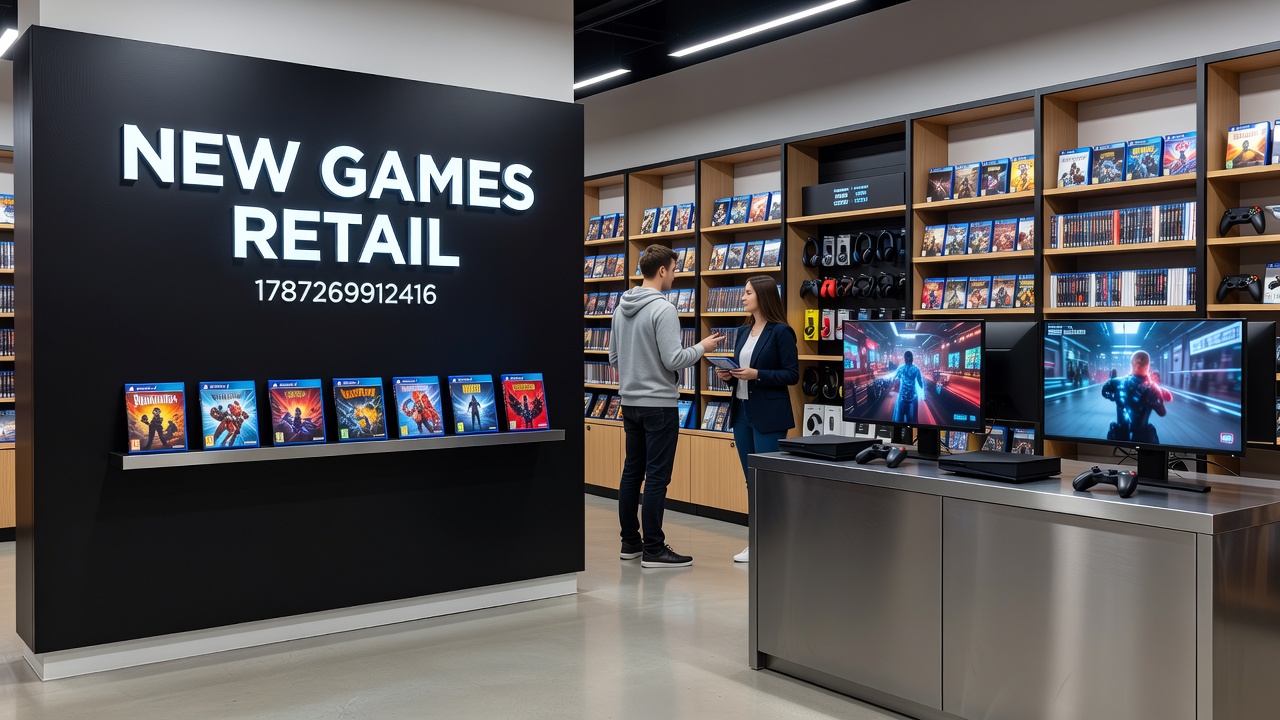
Studies conducted by university supply chain programs confirm that synchronized arrivals improve turnover rates in regional distribution hubs. One analysis of 2025-2026 data found that retailers who adjusted reorder points ahead of clustered releases maintained steadier inventory levels compared to those using independent category schedules. These adjustments appear in both coastal entry points and inland sorting facilities.
Data Patterns Across Product Categories
National sales aggregation platforms record clear correlations between console pre-order peaks and subsequent orders for board game content plus controller variants. The Entertainment Software Association tracks these category linkages through member-submitted figures, showing accessory demand rising within two to three weeks of primary console availability announcements. Similar timing shows up in reports covering strategy game restocks.
Retailers in multiple regions apply the same forecasting models to anticipate combined demand. This approach reduces the need for emergency shipments and allows more precise allocation of shelf space. Observers tracking fulfillment metrics note fewer stockout incidents when release schedules are integrated across formats rather than managed separately.
August 2026 Activity Outlook
Current projections for August 2026 point to continued overlap between new console arrivals and refreshed board game lines. Port and rail data already list consolidated container bookings that include multiple product types destined for the same retail chains. Analysts monitoring these bookings expect the established rhythm of accessory reorders to follow the same cadence observed in prior cycles.
Distribution software updates have incorporated flags for multi-format release clusters, enabling automated alerts when console, tabletop, and peripheral timelines converge. These tools help warehouses prepare labor and storage resources in advance rather than reacting after arrivals begin.
Conclusion
Retail systems in the United States now treat gaming product categories as interconnected rather than isolated streams. Evidence from logistics records, sales platforms, and academic supply studies shows that release timing directly influences inventory movement across consoles, board games, and accessories. These linkages continue to shape warehouse operations and order patterns through 2026 and beyond.