Inventory Coordination Challenges in Multi-Channel Gaming Retail for 2026 Releases
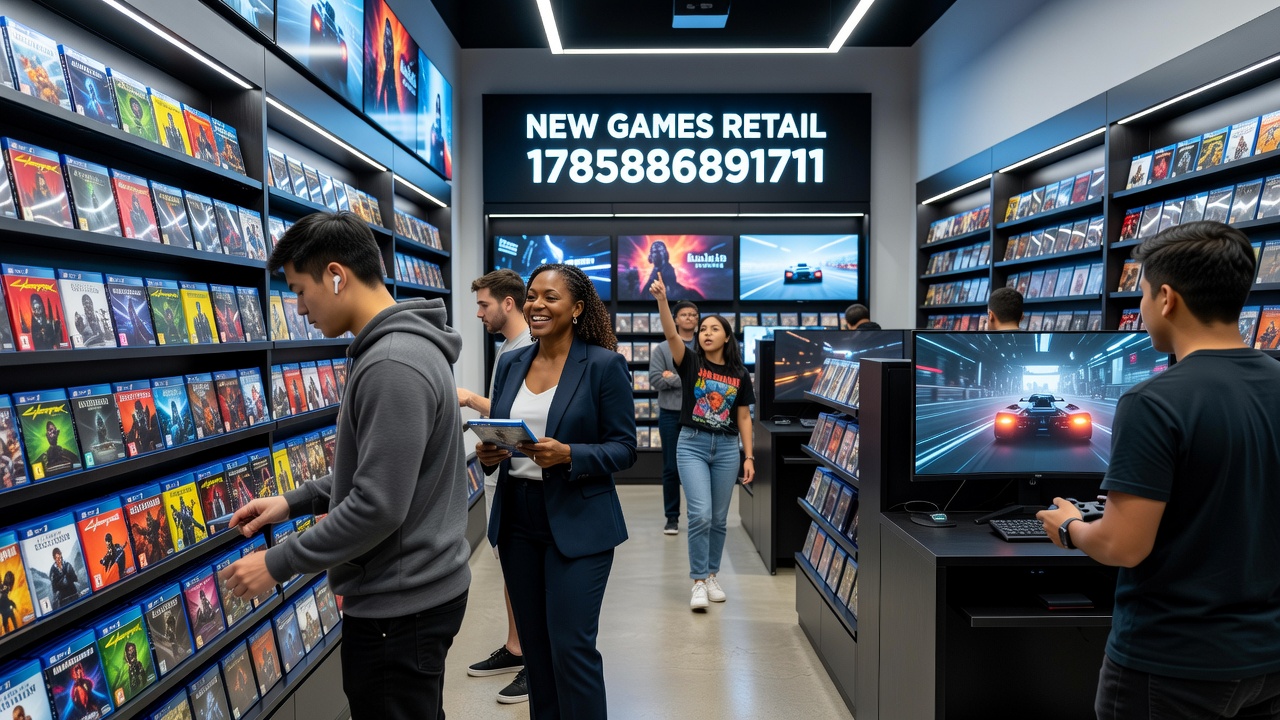
Retail networks across the United States have adjusted their stocking approaches as multiple entertainment software titles prepare for launch windows throughout August 2026, with distribution centers processing larger volumes of physical copies alongside digital activation codes, while logistics teams balance shelf space between major console releases and smaller independent titles that arrive on staggered schedules. Data from industry tracking services shows pre-order volumes climbing steadily since early summer, prompting store managers to allocate additional floor space and staff hours to handle in-store pickup demand that peaks during the first week of each major debut.
Supply Chain Adjustments During Peak Periods
Distribution facilities in key hubs such as California and Texas have increased overnight shifts to accommodate incoming pallets from overseas manufacturers, and warehouse software now flags high-demand SKUs for priority routing to regional stores that reported rapid sell-through rates in previous cycles. Observers note that these systems integrate real-time sales data from point-of-sale terminals, allowing replenishment orders to trigger automatically when stock levels drop below preset thresholds, whereas smaller retailers without automated tools rely on weekly inventory audits to avoid gaps on display walls.
August 2026 brings several overlapping release dates that test these processes, since multiple publishers have aligned their marketing campaigns around the same weekends, creating simultaneous surges in both online reservations and walk-in traffic. Retailers have responded by expanding temporary holding areas near loading docks, and some chains have negotiated extended delivery windows with carriers to prevent bottlenecks when trucks arrive within hours of each other.
Store-Level Execution and Staff Training
Employees at major outlets receive updated training modules that cover scanning procedures for limited editions and collector bundles, while managers coordinate with corporate offices to confirm allocation numbers before street dates arrive. Figures from recent seasons indicate that stores maintaining dedicated launch-day teams experience fewer customer complaints about missing pre-order items, and those locations often report higher attachment rates for related merchandise such as protective cases and screen protectors.
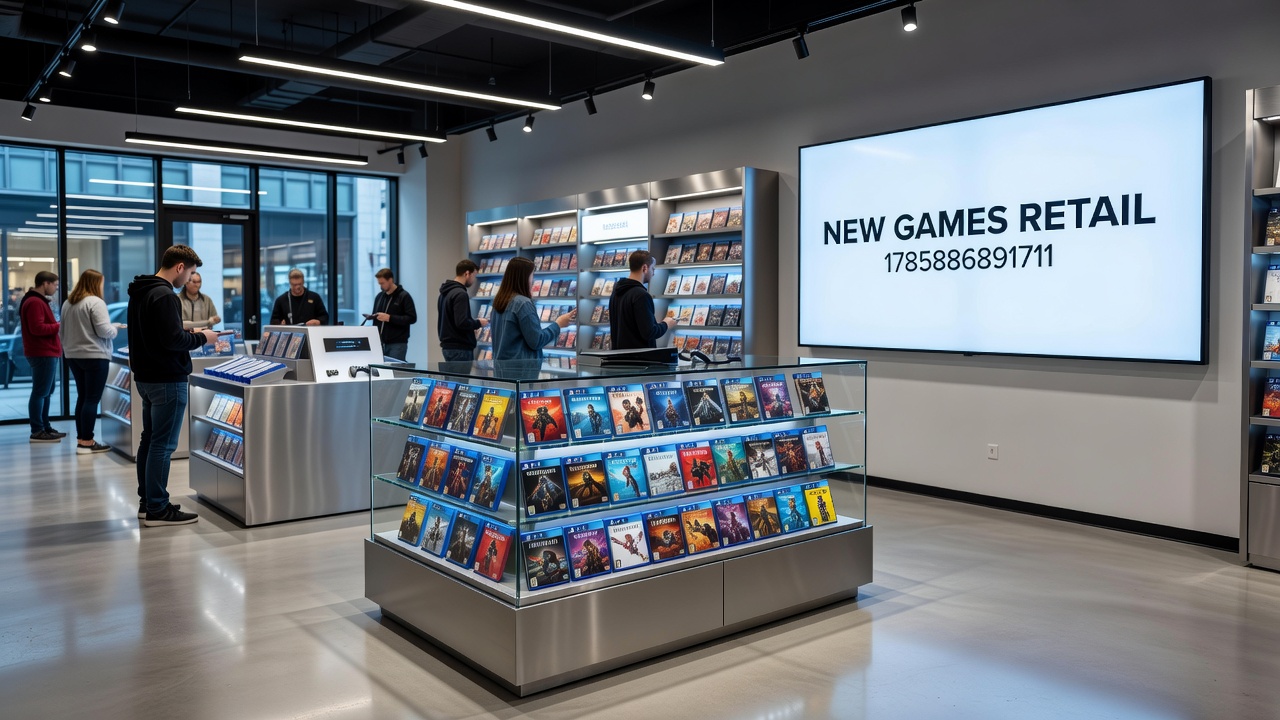
Point-of-sale systems now prompt cashiers to offer upgrade options during checkout, and data collected from these interactions feeds back into central planning tools that forecast demand for subsequent waves of restocks. Retail analysts at organizations like the Entertainment Software Association have documented how these feedback loops help chains refine their ordering accuracy over multiple release cycles, reducing both overstock situations and missed sales opportunities in the same reporting periods.
Regional Variations in Demand Patterns
Markets in the Northeast and Midwest show stronger preferences for physical copies of strategy-focused titles, while West Coast locations record higher volumes of digital bundles that pair software with subscription services. These differences influence how regional distribution centers prioritize truck loading sequences, since carriers optimize routes to deliver heavier cartons to stores with documented physical sales trends. Canadian retail partners, drawing on reports from Statistics Canada, have shared parallel observations about cross-border purchasing patterns that occasionally affect inventory levels in border states during promotional periods.
Independent stores continue to carve out niches by curating selections of niche releases that larger chains often deprioritize, and these outlets frequently collaborate with local gaming communities to host release events that drive foot traffic without requiring extensive national marketing support. Such partnerships allow smaller retailers to maintain relevance even when major publishers focus distribution efforts on high-volume accounts.
Conclusion
Retail operations handling new entertainment software in 2026 rely on layered coordination between automated forecasting tools, trained staff, and flexible logistics partners to meet customer expectations across diverse store formats and geographic regions. The patterns observed during August release clusters demonstrate how integrated data systems and regional adjustments support consistent availability, even when multiple titles compete for attention in the same calendar window.