Exploring Niche Markets: How Video Game Pre-Orders Are Boosting Demand for Themed Board Games and Specialized Accessories in American Retail
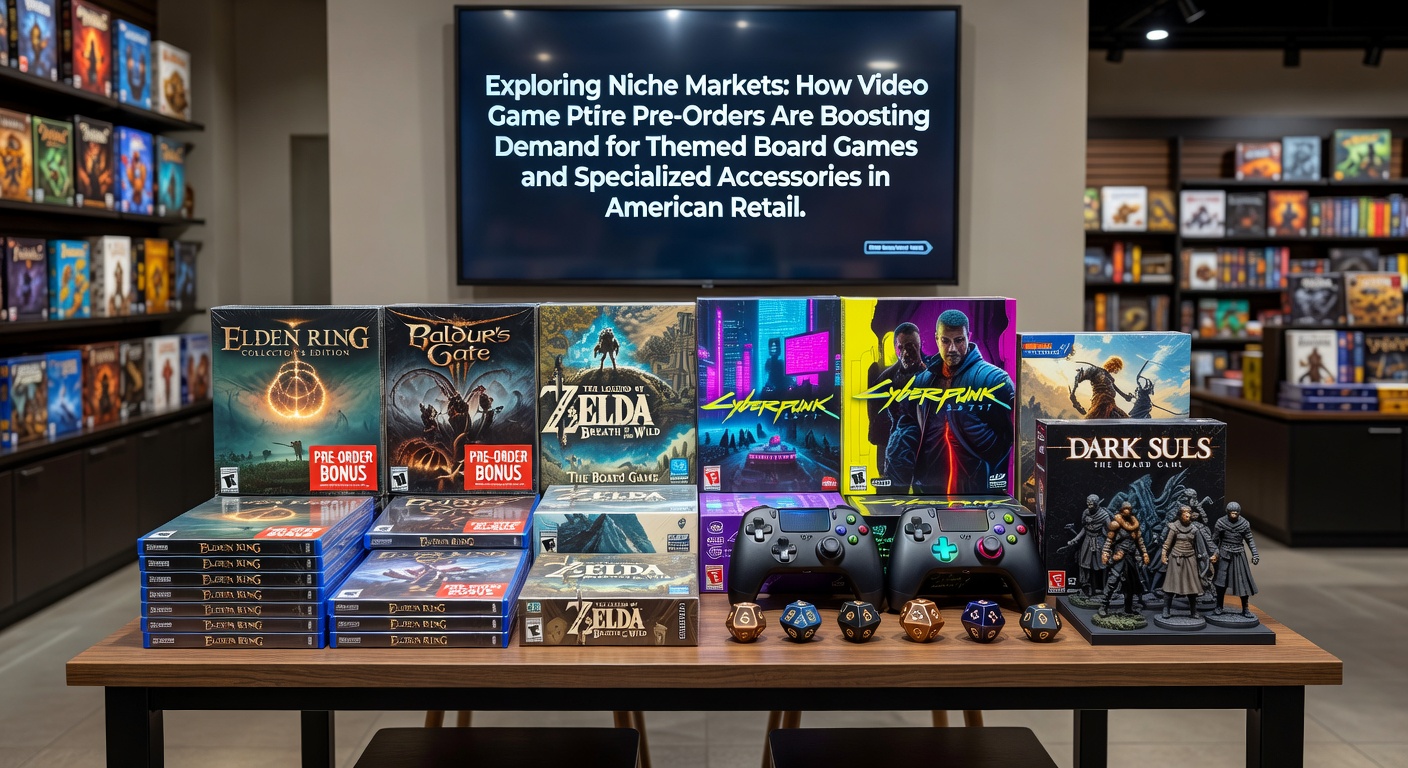
Video game pre-orders have carved out unexpected pathways into American retail channels where board games and accessories now ride the same wave of consumer anticipation. Retail data compiled through 2025 and into early 2026 shows measurable upticks in sales for products that borrow visual themes, characters, and mechanics directly from major video game franchises. Observers note that these crossover items often appear on shelves weeks before the digital titles launch, creating a physical counterpart that captures attention from the same buyer pools.
Pre-order campaigns for titles scheduled in spring and summer periods have aligned closely with inventory planning at major chains. In May 2026 several high-profile releases generated advance orders that exceeded prior-year benchmarks by double-digit percentages according to industry tracking services. Those figures prompted distributors to accelerate shipments of matching board game adaptations and accessory kits into regional warehouses serving the Midwest and coastal markets. The timing allowed stores to position tabletop versions near gaming sections rather than in isolated hobby aisles.
Market Data and Retail Patterns
Industry reports compiled by the Entertainment Software Association indicate that digital pre-order volume influences physical merchandise allocation across multiple categories. Retailers adjust floor space and promotional calendars when pre-order metrics climb, and this adjustment now extends to non-digital formats. A study released by researchers at the University of California tracked sales correlations between video game announcements and board game restocking orders at three national chains over eighteen months. The findings revealed consistent spikes in themed board game units sold within four to six weeks of pre-order windows opening for the source video game.
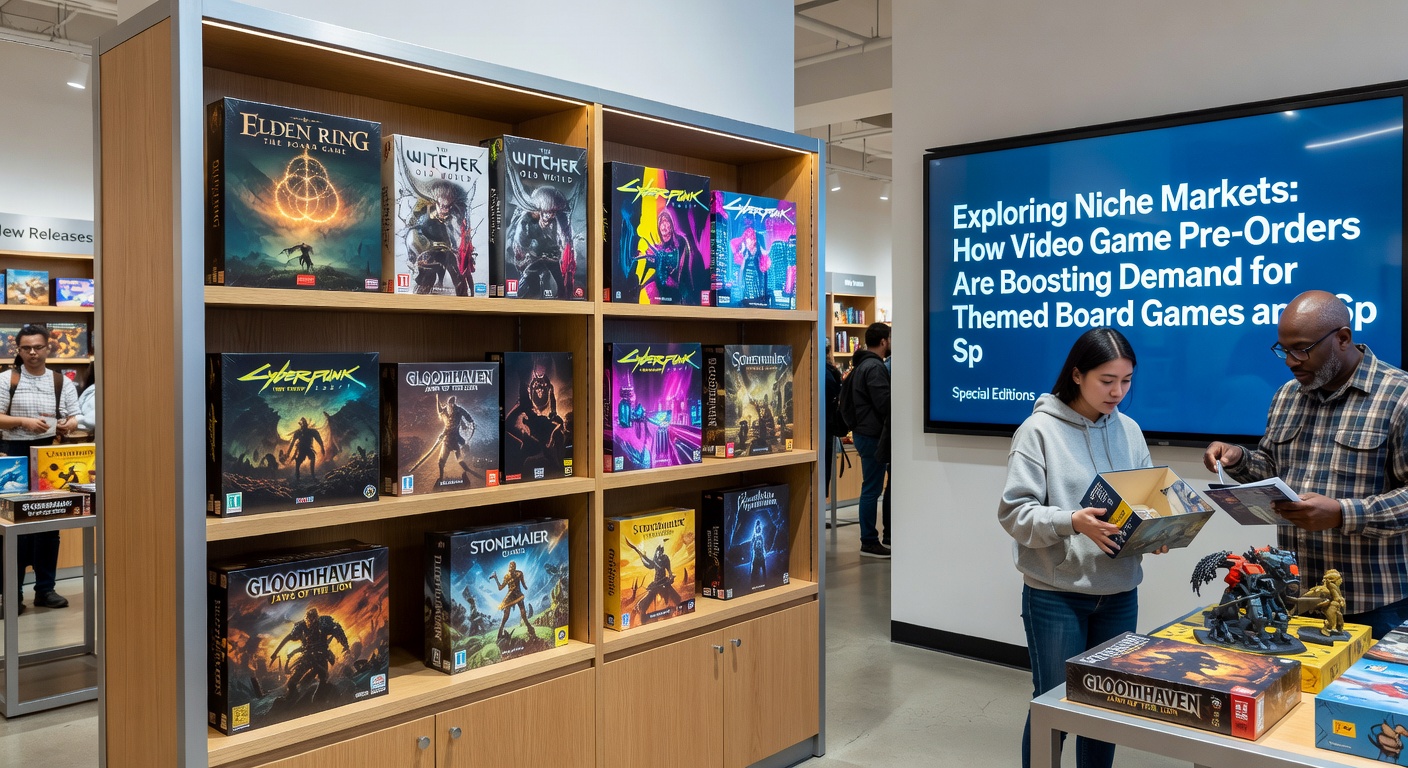
Specialized accessories follow similar trajectories. Custom dice sets, illustrated playmats, adn miniature storage solutions tied to popular franchises move from distribution centers to store displays at accelerated rates during these periods. American retailers have expanded dedicated end-cap displays that group the accessories with the board games, a layout choice that emerged after internal sales audits showed higher basket totals when items appeared together.
Supply Chain Adjustments and Consumer Behavior
Distribution networks serving American stores have refined their forecasting models to incorporate pre-order telemetry from digital storefronts. When a video game title secures strong advance commitments, logistics teams increase orders for related physical products from manufacturers located in Asia and Europe. This synchronization reduces stockouts during peak interest windows. Data from the U.S. Department of Commerce retail trade surveys for 2025 documented a 14 percent rise in hobby and game subcategory imports during quarters that featured major game releases.
Buyers who place digital pre-orders frequently visit physical locations to examine tangible versions of familiar characters and worlds. Store visits prompted by one category often result in additional purchases from adjacent categories. Retail managers report that customers who enter looking for a board game adaptation sometimes add accessory items to their carts after seeing compatibility displays or demonstration stations.
Regional Variations Across the United States
Patterns differ by region yet share common drivers. Stores in the Pacific Northwest and Northeast recorded earlier inventory turnover for fantasy-themed board games tied to role-playing video game franchises. Southern and Midwest locations saw stronger movement in strategy board games connected to simulation titles. These variations reflect local preferences documented in point-of-sale data shared among regional distributors. The result is a more granular approach to assortment planning that still originates from national pre-order trends.
Manufacturers of accessories have responded by releasing limited-run items timed to pre-order announcements. Production schedules now include buffer capacity for rapid reorders when initial shipments sell through faster than projected. This flexibility keeps specialized products available through the launch month and into subsequent quarters.
Conclusion
American retail continues to adapt shelf strategies and ordering cycles around video game pre-order activity. The measurable lift in demand for themed board games and accessories stems from coordinated timing between digital campaigns and physical distribution. As pre-order volumes remain elevated through 2026, retailers and suppliers maintain the data linkages that allow niche products to reach interested buyers at the moment interest peaks. These connections between categories illustrate how consumer anticipation for one format can sustain activity across multiple product lines within the same retail environment.