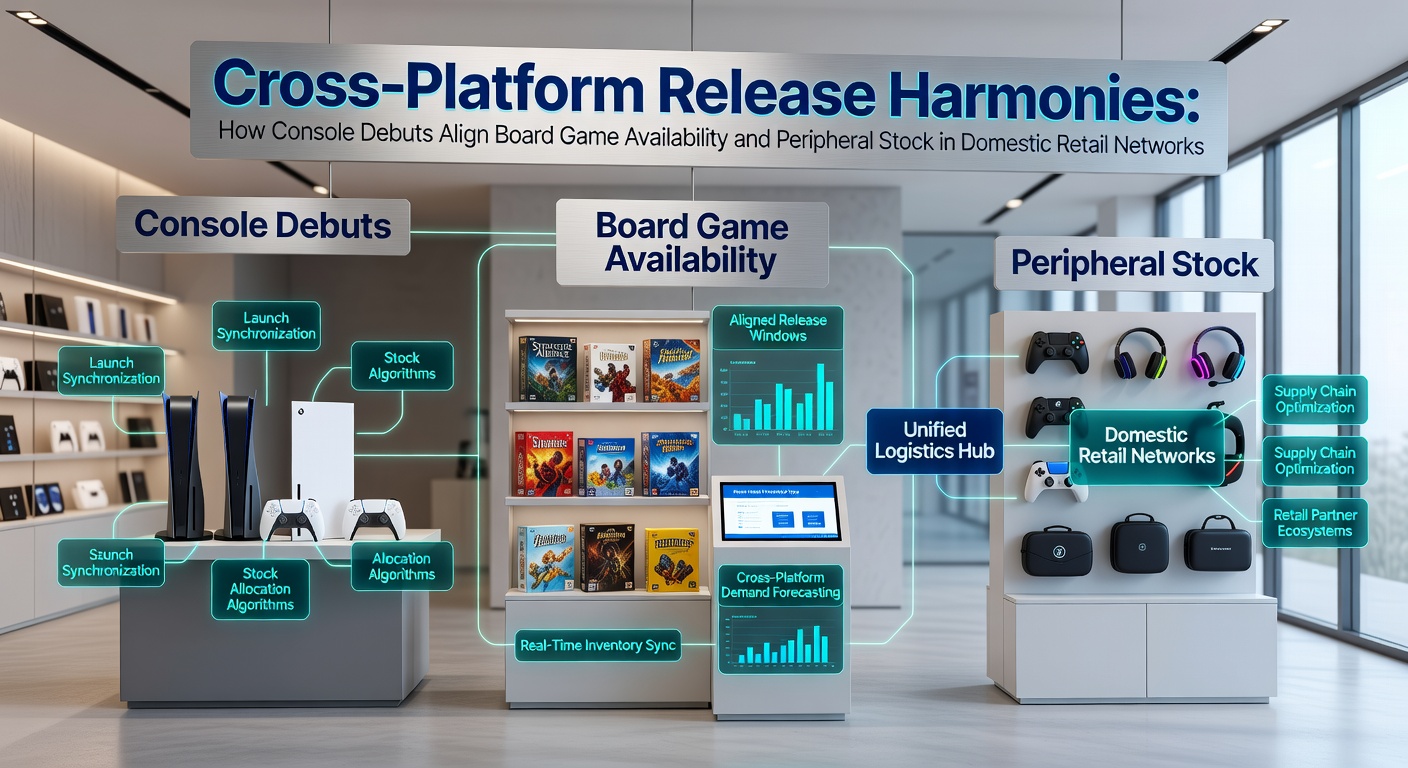
Cross-Platform Release Harmonies: How Console Debuts Align Board Game Availability and Peripheral Stock in Domestic Retail Networks
Major console launches create coordinated waves across multiple product categories, and domestic retail networks respond by timing board game releases along with peripheral shipments to match those dates. In May 2026 several high-profile titles reached store shelves while publishers arranged parallel deliveries of tabletop adaptations and controller bundles, which allowed chains such as Target, Walmart, and GameStop to present unified displays rather than staggered arrivals. Retail planners track console street dates through advance notifications from platform holders, then adjust purchase orders for analog games that share intellectual properties. Data from the Entertainment Software Association shows that coordinated launches increase overall category sales volume because shoppers encounter complete ecosystems instead of isolated items. Board game distributors receive updated street-date calendars that mirror console schedules, which reduces the lag between digital and physical availability in the same store aisle.Inventory Coordination Patterns
Distribution centers consolidate shipments so that console hardware, matching board games, and accessory restocks arrive within the same forty-eight-hour window. This approach cuts down on repeated freight costs while giving store teams a single set-up period instead of multiple partial resets. When a new action-adventure title debuts, publishers often release a companion board game that uses the same artwork and lore, and peripheral makers supply updated wireless controllers or headset bundles at the same time.
Observers note that these alignments rely on shared forecasting models between video game licensors and tabletop manufacturers. Retail buyers review point-of-sale data from prior cycles to predict how many units of each product type will move during the first month, then they place combined orders that reflect those projections. The result appears in weekly inventory reports where board game stock levels rise in tandem with console software rather than trailing by weeks or months.
Domestic Retail Execution
US stores allocate end-cap space that features the console game, its board game counterpart, and compatible peripherals in one visual block. Employees receive planograms that specify exact shelf heights and signage placement so customers see the full range without searching separate departments. In May 2026 several midwestern distribution hubs reported that combined shipments reduced out-of-stock incidents for peripherals because the accessories traveled on the same trucks as the software and board games.
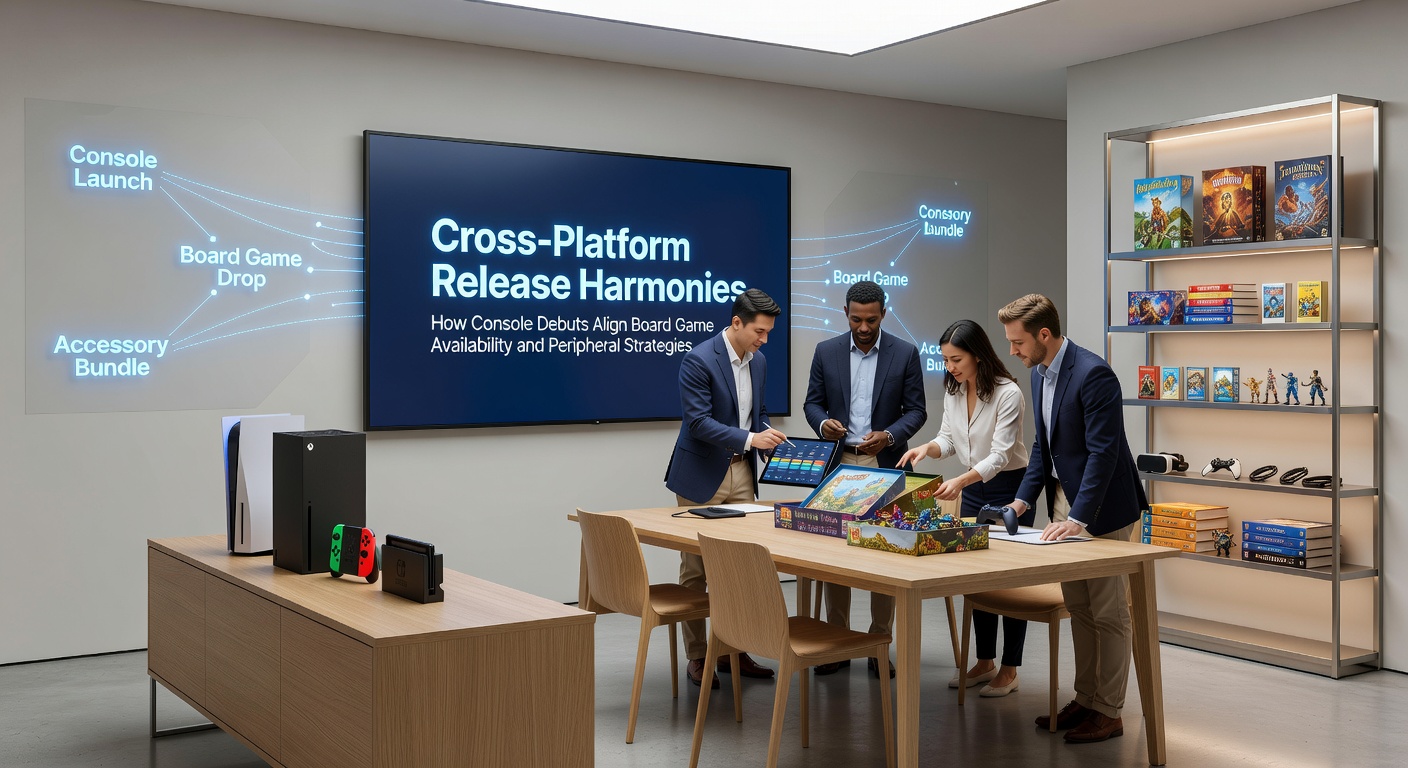
Regional managers adjust labor schedules around these clustered arrivals so staff can process one large delivery instead of multiple smaller ones. Scanner data captured at receiving docks shows that the percentage of complete orders rises when all three categories ship together, which cuts the time required to verify quantities and move merchandise to the sales floor.
Supplier and Publisher Roles
Console manufacturers share tentative release calendars with board game studios and accessory firms months ahead of launch. Those studios then finalize art files and component lists to meet the same production deadlines. Accessory companies update firmware or color variants to match the console edition, and they book container space on the same vessels or air freight flights used for the software pallets. According to figures released by the National Retail Federation, synchronized category launches correlate with higher in-stock percentages across participating chains because each supplier works from a single master timeline.
Smaller specialty retailers receive allocations through the same networks, although quantities remain lower than those sent to big-box locations. These stores often highlight the alignment in email newsletters and social posts, directing customers to visit on the shared launch weekend when everything becomes available at once.
Logistics and Timing Adjustments
Freight coordinators monitor weather and port congestion to keep the combined shipments on schedule. When delays occur, the affected parties shift peripheral production runs earlier or later so the accessories still reach stores within days of the console debut rather than weeks afterward. In practice this means that a controller bundle originally slated for June might move into late May if the board game print run finishes ahead of plan.
Point-of-sale systems flag items that belong to a synchronized group, which lets store staff reorder the entire set with one keystroke instead of placing separate purchase orders. This automation reduces the chance that one category sells out while the others remain fully stocked, preserving the visual and functional harmony customers expect during the first weeks after release.
Conclusion
Cross-platform release harmonies depend on shared calendars, consolidated freight, and unified retail displays that bring console software, board games, and peripherals to domestic shelves at the same time. In May 2026 these alignments continued to shape how US retailers managed inventory for major launches, with data from industry associations confirming higher fulfillment rates and steadier stock levels when suppliers coordinated around single street dates. The pattern persists because each participant benefits from reduced handling costs and improved product visibility throughout the retail network.