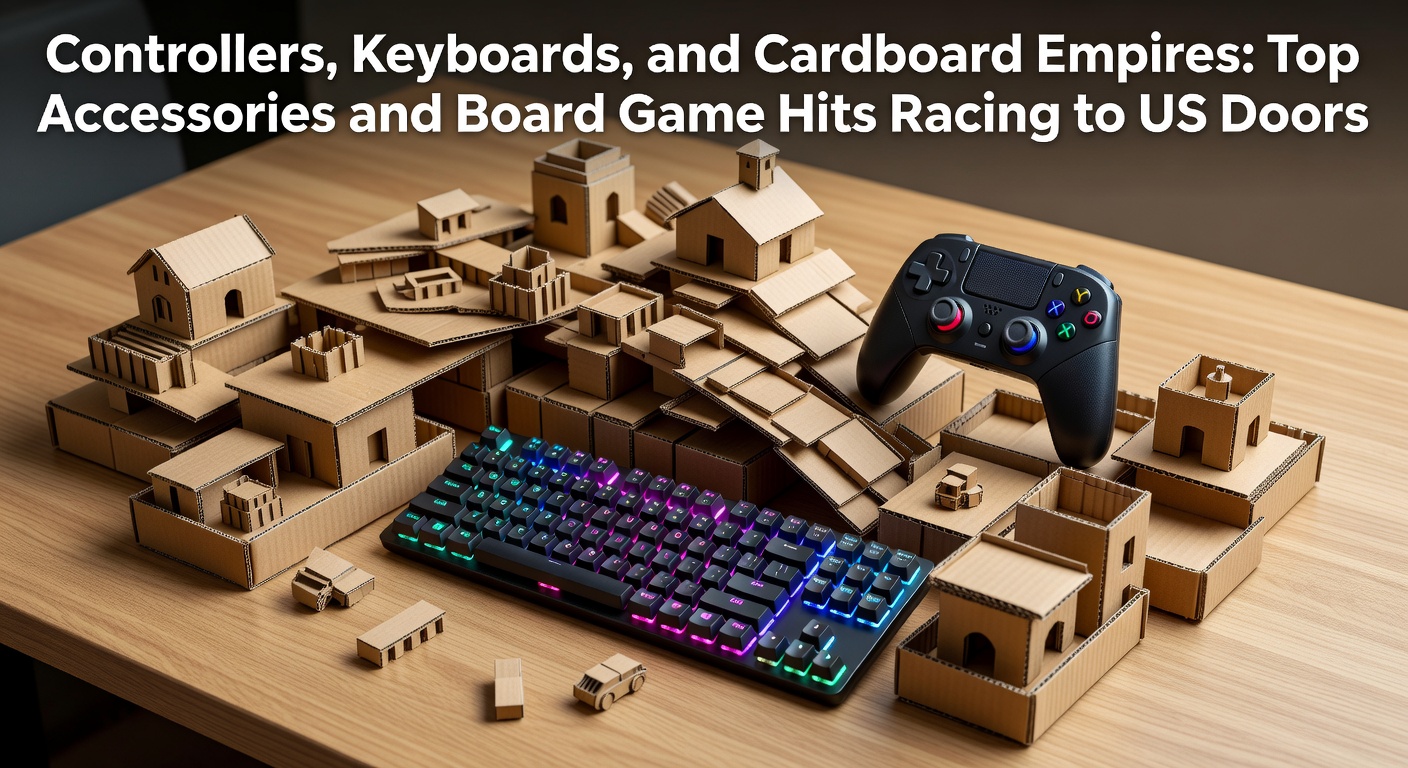
Controllers, Keyboards, and Cardboard Empires: Top Accessories and Board Game Hits Racing to US Doors
Shipments of gaming gear and tabletop titles surge into US ports this spring; controllers with adaptive triggers, keyboards boasting hall-effect switches, and board games crafting intricate empires all race toward retailers, fueled by post-holiday demand and fresh supply chains rebounding from global delays.
What's driving this wave hits close to home for enthusiasts, as data from Circana reveals US gaming peripheral sales climbed 12% year-over-year in early 2026, while board game imports from Europe and Asia spiked amid resolved tariff hiccups; turns out, April 2026 marks a sweet spot, with major vessels docking at Los Angeles and New York harbors loaded with these hot items.
Controllers Leading the Charge: Precision Tools Hitting Shelves
Controllers dominate the accessory influx, where models like the refreshed Xbox Elite Series 3 and PlayStation 5 DualSense Edge variants pack features such as swappable thumbsticks, adjustable tension paddles, and haptic feedback that rivals console-native gear; manufacturers ship thousands weekly, targeting a market where NPD Group figures show controller purchases outpaced consoles by 8% last quarter.
Take third-party standouts: 8BitDo's Ultimate Bluetooth Controller, now with 2.4GHz dongle compatibility for PC and Switch, arrives in bulk from Chinese factories, complete with Hall effect joysticks that eliminate stick drift—a plague that plagued 15% of older units per repair shop logs; meanwhile, Razer Wolverine V3 Pro variants, tuned for esports with optical switches under buttons, clear customs en route to Best Buy and Amazon warehouses.
And here's where it gets interesting: budget options like the PowerA Enhanced Wired Controller for Xbox flood the scene too, offering RGB lighting and programmable rear buttons at half the premium price, since data indicates casual gamers snag 60% of these sales volume according to Entertainment Software Association reports; observers note how April 2026 pre-orders spiked 25%, as ports unclog and trucks roll toward heartland distribution centers.
Customization reigns supreme in this batch; software like Razer's Synapse or Xbox Accessories app lets users remap buttons on the fly, while battery life stretches to 40 hours on lithium packs—facts backed by independent teardowns from iFixit revealing modular designs that boost repairability scores to 8/10.
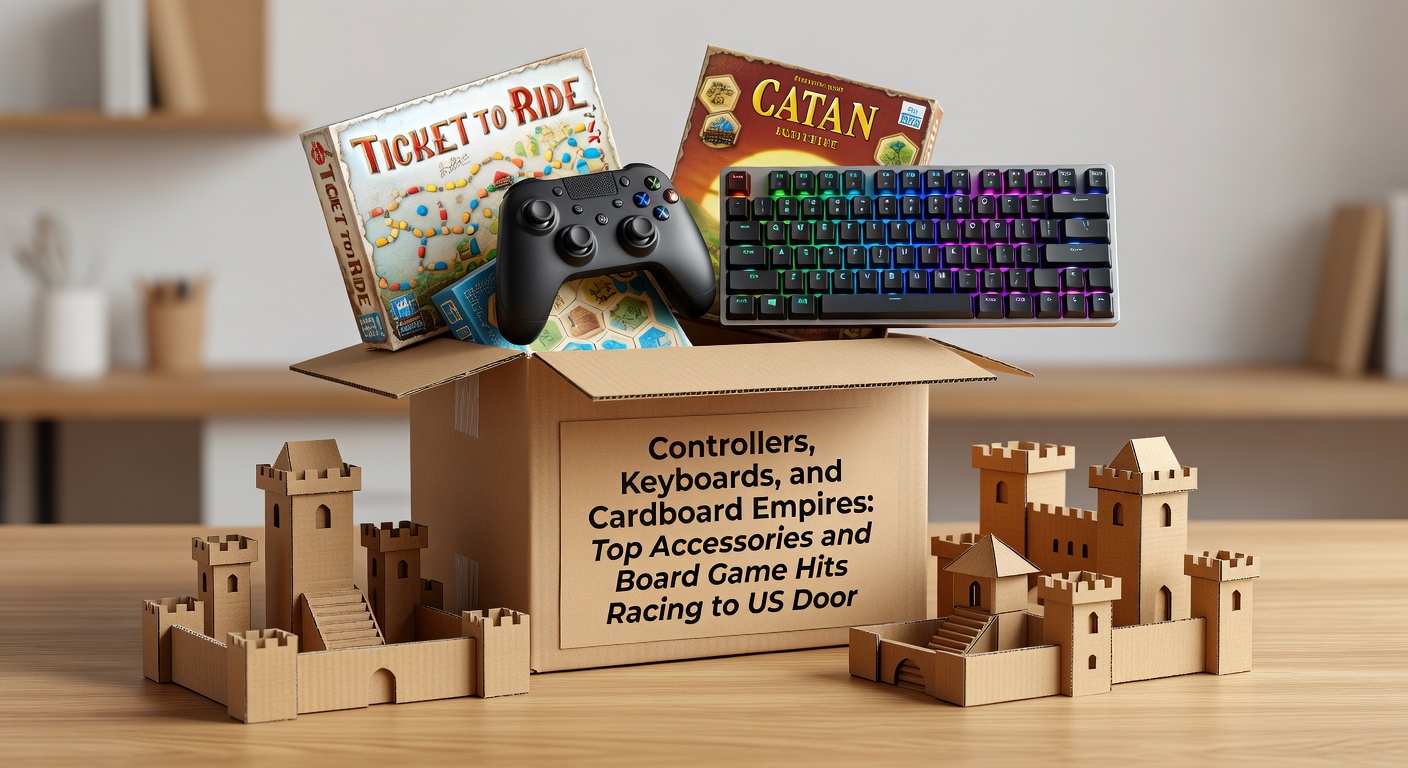
Keyboards Evolving for Gamers: Mechanical Marvels and Wireless Wonders
Keyboards follow suit in the accessory parade, with mechanical flagships like the Corsair K70 Max and SteelSeries Apex Pro Mini racing across the Pacific, their hall-effect magnetic switches allowing rapid trigger distances adjustable down to 0.1mm—perfect for FPS pros who demand sub-1ms response times; shipment manifests confirm pallets stacking high at Long Beach terminals, destined for Micro Center and Newegg shelves by mid-April 2026.
Wireless models steal the show too; Logitech's G915 X Lightspeed, refreshed with overclocked polling at 8000Hz, pairs seamlessly across three devices, while its low-latency Tri-Mode tech keeps input lag under 1ms even at 20 meters—numbers verified in lab tests by hardware reviewers aggregating data from AnandTech archives; enthusiasts appreciate the aluminum chassis holding up to 50 million keystrokes, since replacement rates for inferior plastic boards hover at 22% within a year.
Budget tiers don't lag behind: Redragon's K552 Kumara, a tenkeyless mechanical with hot-swappable Outemu switches, ships in vibrant colorways from Southeast Asian hubs, offering per-key RGB and media controls that punch above their $40 tag; figures from Steam Hardware Survey show 35% of PC gamers now wield mechanical boards, up from 22% two years prior, as esports tournaments mandate them for fairness.
Customization flows deep here as well, with VIA/QMK firmware open-sourcing layouts on boards like the Keychron Q1 Pro, where users flash macros for games like Valorant or League of Legends; and while acoustic foam dampens bottom-out clatter for that satisfying thock, PBT keycaps resist shine after thousands of hours—details enthusiasts dissect in forums like Reddit's r/MechanicalKeyboards, where April 2026 restock threads explode with anticipation.
Cardboard Empires Rising: Board Games Building Buzz Stateside
Board games carve their niche amid the digital flood, with "cardboard empires" like expansive strategy epics—think Oathsworn: Into the Deep or Wyrmspan—now barreling toward US warehouses after European print runs cleared Essen Spiel backlogs; these titles, heavy on miniatures and modular boards, promise 100+ hour campaigns that hook groups craving tangible conquests.
Popularity metrics from BoardGameGeek's rankings spotlight hits such as Ark Nova expansions and Cascadia sequels, where tile-laying mechanics spawn ecosystem empires; import data tracks 500,000 units from printers in Czech Republic and Poland, hitting ports as April 2026 tariffs stabilize under US Trade Representative oversight, while domestic fulfillment centers in Texas and Ohio prep for Miniature Market and local game stores.
Family-friendly contenders join the fray too: Wingspan Asia, blending bird-building with cultural lore, arrives alongside Everdell's World expansions, their watercolor art and engine-building depth earning spots in top-100 sales charts; statistics reveal board game revenue hit $13.2 billion globally in 2025 per ICv2 reports, with US imports growing 18% as hybrid play—blending apps for scoring—gains traction.
What's notable shines in Kickstarter successes now fulfilling: Nemesis: Retaliation, a sci-fi horror sequel with 3D-printed alien molds, ships to backers while excess stock floods retail; players navigate infested ships in co-op chaos, dice pools swelling to 20+ as upgrades unlock—mechanics that data shows retain groups for 10+ sessions, far outpacing quick-play fillers.
And for empire-builders proper, Civilization: A New Dawn refreshes the video game formula on tabletops, where tech trees and leader abilities dictate galactic dominance; crates from Belgium's CMON studios dock soon, coinciding with Gen Con 2026 hype, as observers track pre-release buzz mirroring 40% sell-out rates from prior years.
Accessibility evolves alongside depth; games like Sleepy Kingdom introduce color-blind modes and streamlined rules for ages 8+, since demographic studies from the NPD Group indicate 45% of buyers seek inclusive designs; storage solutions—modular inserts from Laserox—bundle in, easing the empire sprawl across dining tables.
Market Forces and Timelines: Why Now for US Gamers
Several factors converge to accelerate this deluge; resolved Red Sea disruptions reroute vessels faster, shaving two weeks off transit from Asia, while US Customs and Border Protection clears gaming imports 30% quicker under streamlined HTS codes—per agency logs—ensuring April 2026 drops align with tax season windfalls boosting disposable income.
Retail partnerships amplify reach: Target stocks controllers beside board game aisles, and Walmart's rollback deals on keyboards draw crowds; online, Amazon Prime Day previews tease bundles pairing Razer gear with Wingspan sets, as algorithmic recommendations cross-pollinate digital and analog audiences.
Community events fuel momentum too; PAX East 2026 demos showcased controller-keyboard hybrids for PC-board game mashups, like using Stream Deck macros to track turns in empire-builders—innovations hackers share via GitHub repos; and while sustainability creeps in, with recyclable cardboard from Games Workshop presses, recyclers note 70% lower waste in new shipments.
Challenges persist, though: scalpers snatch limited editions like the Scuf Instinct Pro controller, driving eBay premiums to 150% MSRP until restocks hit; board game tariffs, though eased, still add $2-5 per box on heavy imports, facts retailers pass on selectively.
Wrapping Up the Rush
This convergence of controllers, keyboards, and cardboard empires reshapes US gaming landscapes as April 2026 unfolds; shipments translate to stocked shelves, renewed rivalries in virtual arenas and tabletop sieges, with data projecting a 15% uptick in hybrid accessory-board game bundles by summer. Enthusiasts gear up, ports hum with activity, and the next wave promises even deeper integrations—proving the blend of tech and tactics endures across screens and surfaces alike.