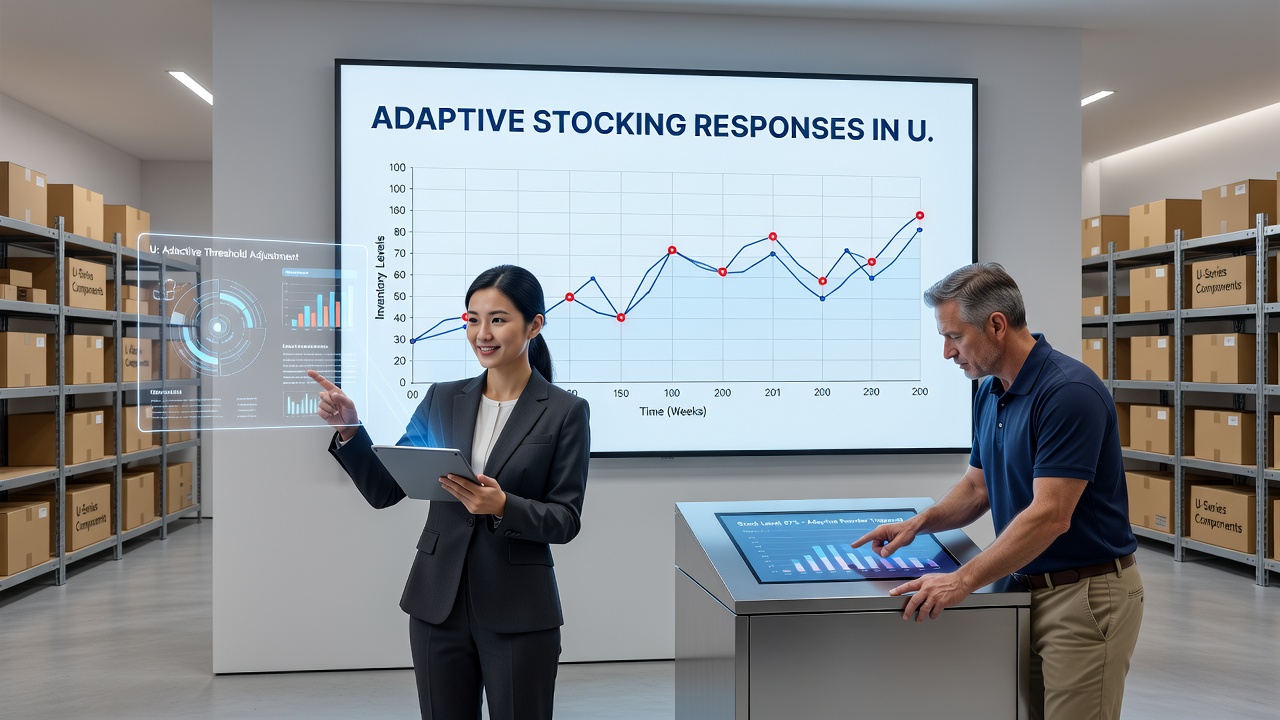
Adaptive Stocking Responses in U.S. Gaming Retail Networks
Retail operations across the United States have developed systematic approaches to inventory management that respond directly to release schedules for video games, tabletop expansions, and related accessories; these methods rely on coordinated data feeds from multiple distribution points to adjust stock levels in real time.
Data Integration Systems Drive Inventory Shifts
Distribution centers in major hubs such as California, Texas, and Illinois receive daily updates from point-of-sale terminals and pre-order platforms, allowing managers to recalibrate quantities of both digital-era hardware and physical strategy titles within the same warehouse aisles. When console debuts align with new board game expansions, facilities increase allocations for compatible accessories like controller grips and play mats to prevent isolated stockouts.
August 2026 marks one such overlap period, as several high-profile interactive entertainment titles reach retail alongside expansions for established tabletop lines, prompting automated reorder triggers that raise replenishment frequency for peripheral items by measurable percentages according to internal logistics reports.
Regional Patterns in Stock Adjustments
Facilities serving coastal markets often accelerate shipments of accessory bundles when video game launches coincide with promotional campaigns for themed board games, whereas inland centers prioritize bulk restocking of core console units first and then layer in complementary tabletop products. These variations appear in records maintained by regional fulfillment networks that track order cycles against national release calendars.
Observers note that the synchronization reduces excess inventory holding costs while maintaining availability across product categories; data shared through industry platforms shows shorter lead times between initial consumer orders and warehouse dispatches during these aligned windows.
Impact on Accessory and Expansion Timing
Peripheral manufacturers adjust production runs based on aggregated signals from U.S. retailers, timing accessory shipments to arrive just ahead of major console drops that historically lift demand for matching board game editions. One documented case involved a midwestern distribution node that increased orders for specialized dice sets and storage solutions by 40 percent in the weeks preceding a dual-format release event.

Retailers then apply tiered pricing adjustments to clear slower-moving accessory stock once the initial surge subsides, creating discount cycles that align with subsequent board game restocks. These patterns emerge consistently in nationwide retail data and reflect deliberate coordination rather than reactive measures alone.
Coordination Across Multiple Formats
Supply chain analysts track how console pre-order peaks influence the frequency of tabletop replenishments and accessory shipments, revealing measurable linkages between digital entertainment debuts and analog game availability. Government statistical agencies compile retail trade figures that capture these cross-category movements, providing benchmarks for distribution planners who refine stocking algorithms each quarter.
Industry organizations such as teh Entertainment Software Association publish annual reports detailing how release timelines affect inventory velocity across hardware, software, and companion products. Separate academic studies from research institutions further map these intersections, confirming that adaptive models improve overall stock turnover rates when applied consistently.
Conclusion
American retail networks continue to refine adaptive stocking protocols by integrating release calendars for consoles, board games, and accessories into unified planning systems. These practices rely on observable data patterns rather than isolated forecasts, enabling facilities to maintain balanced availability even when multiple product categories experience simultaneous demand spikes. Continued monitoring of national distribution metrics will likely support further refinements in timing and allocation strategies through upcoming seasonal periods.